Preventing permanent disabilities after neurotrauma

Our mission is to protect the brain and spinal cord after injury by developing early treatments that have the potential to preserve neurological function and help people maintain their independence.

Our Company

NeuroHagana is a neurotrauma-focused biotech company, developing a first-in-class injectable treatment for acute neurotrauma, designed to be given within the first hours after injury, to stop neuronal tissue damage.

NeuroHagana’s technology is built on more than twenty years of academic research led by Dr. Angela Ruban, the Company’s CEO and Co-Founder.

Our science

The problem

Brain and spinal cord injuries can cause lifelong disability, and there is still no available effective treatment that prevents or reverses it.

Economic impact

Worldwide, an estimated 37.9 million people live with traumatic brain injury (TBI) and 15.4 million with spinal cord injury (SCI).

The economic toll is just as large. TBI alone costs an estimated US$400 billion globally each year in healthcare and lost productivity. In the United States, lifetime healthcare and living costs for a person with severe SCI can exceed US$6 million — a lasting burden on patients, families and care systems.

The secondary injury

Much of the final damage and the disabilities are not caused by the initial impact. Within hours of the injury, a secondary wave of damage begins: excess glutamate triggers a molecular cascade that destroys far more tissue than the original trauma.

Supportive care and rehabilitation can improve outcomes, but no approved treatment directly stops this progressive damage. That is the unmet need we are addressing.

Our approach

Stopping the damage before it spreads

NeuroHagana’s emergency treatment is designed to be administered by first-aid medical teams within the first hours, and without waiting for a diagnosis. By acting at the very start of the secondary-injury cascade, it is designed to prevent damage from spreading through the neuronal tissue — like stopping a snowball before it forms.

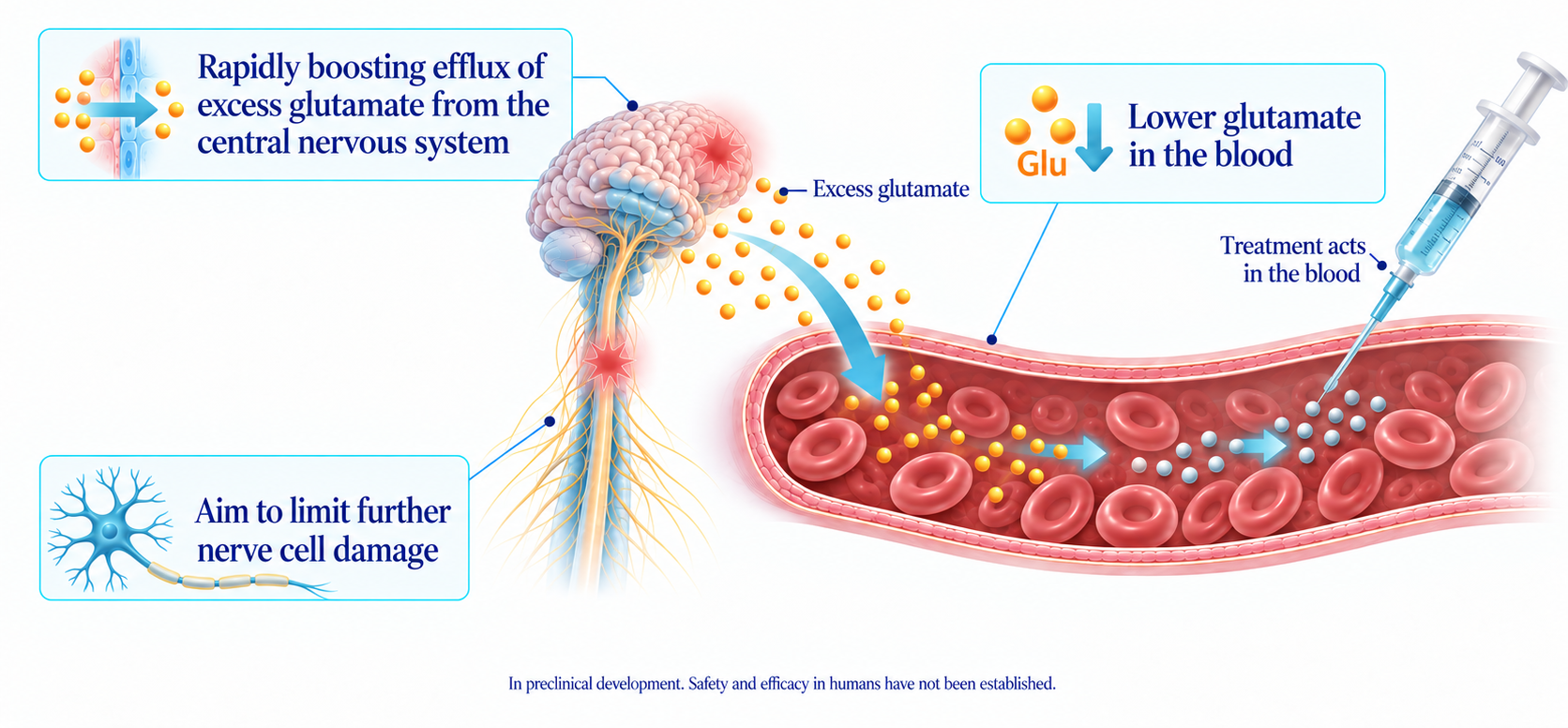
How it works. The treatment lowers blood glutamate levels, facilitating the efflux of excess glutamate from the central nervous system across the blood–brain barrier, and thereby reducing secondary neuronal tissue damage and neuronal impairments.

Diagram of NeuroHagana's injectable treatment approach to stopping neuronal tissue damage promoted by excess glutamate

Platform & pipeline

One platform. Five indications

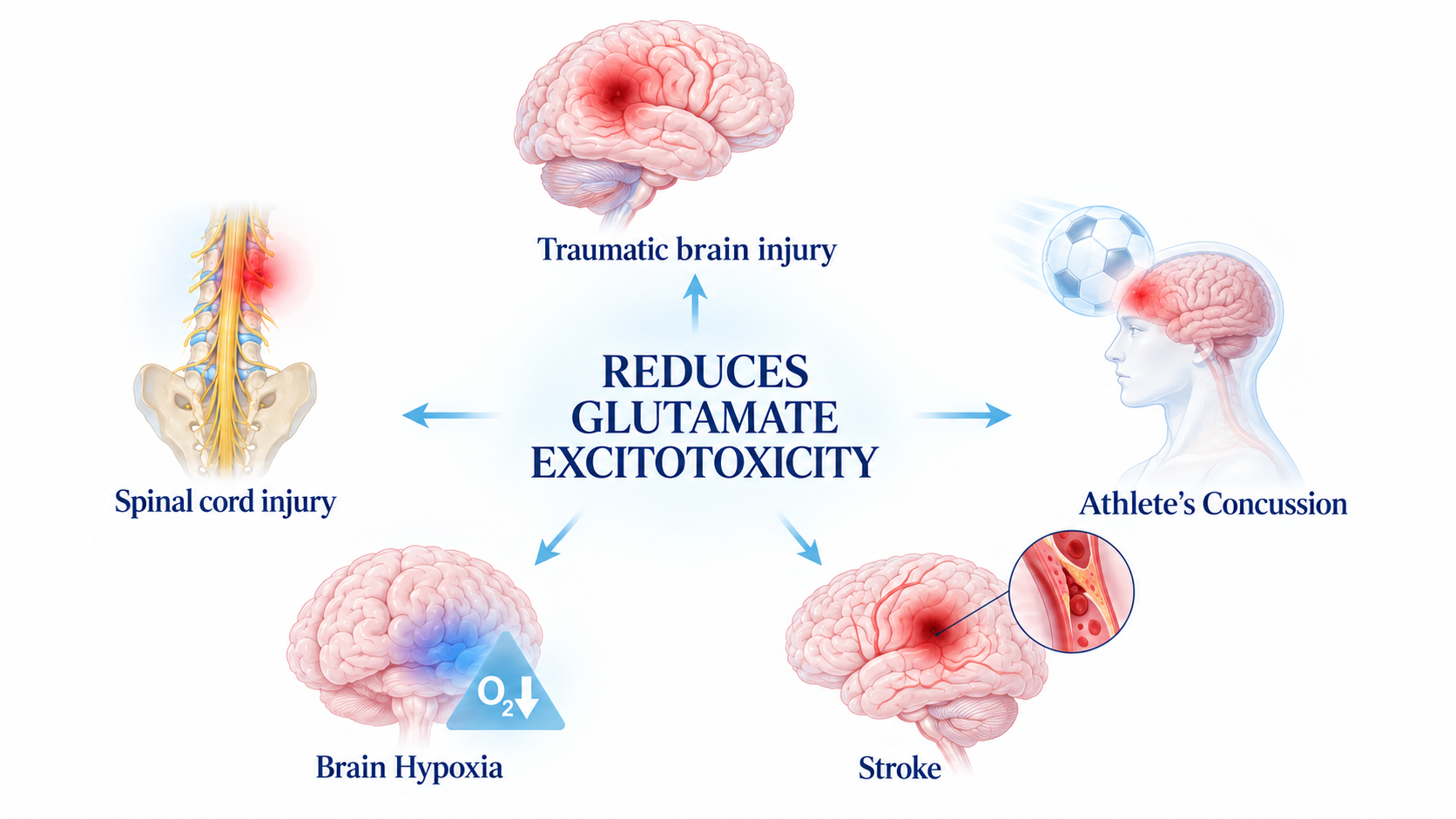
NeuroHagana’s NH01 treatment targets glutamate excitotoxicity, a common driver of neuronal damage across multiple neurological conditions. Our platform applies the same injectable formulation and therapeutic approach across five indications, with the potential to expand into a broader range of neurological disorders.

NeuroHagana platform: reducing glutamate excitotoxicity across spinal cord injury, traumatic brain injury, stroke, athlete's concussion and brain hypoxia
Development pipeline

First-in-class acute neuroprotective treatment

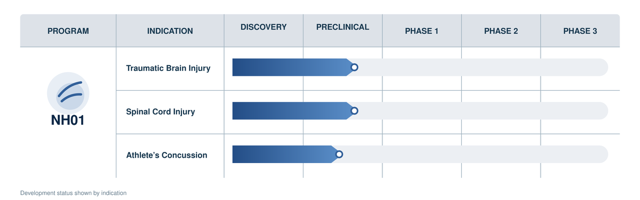
NeuroHagana NH01 development pipeline across traumatic brain injury, spinal cord injury and athlete's concussion

Pre-clinical results

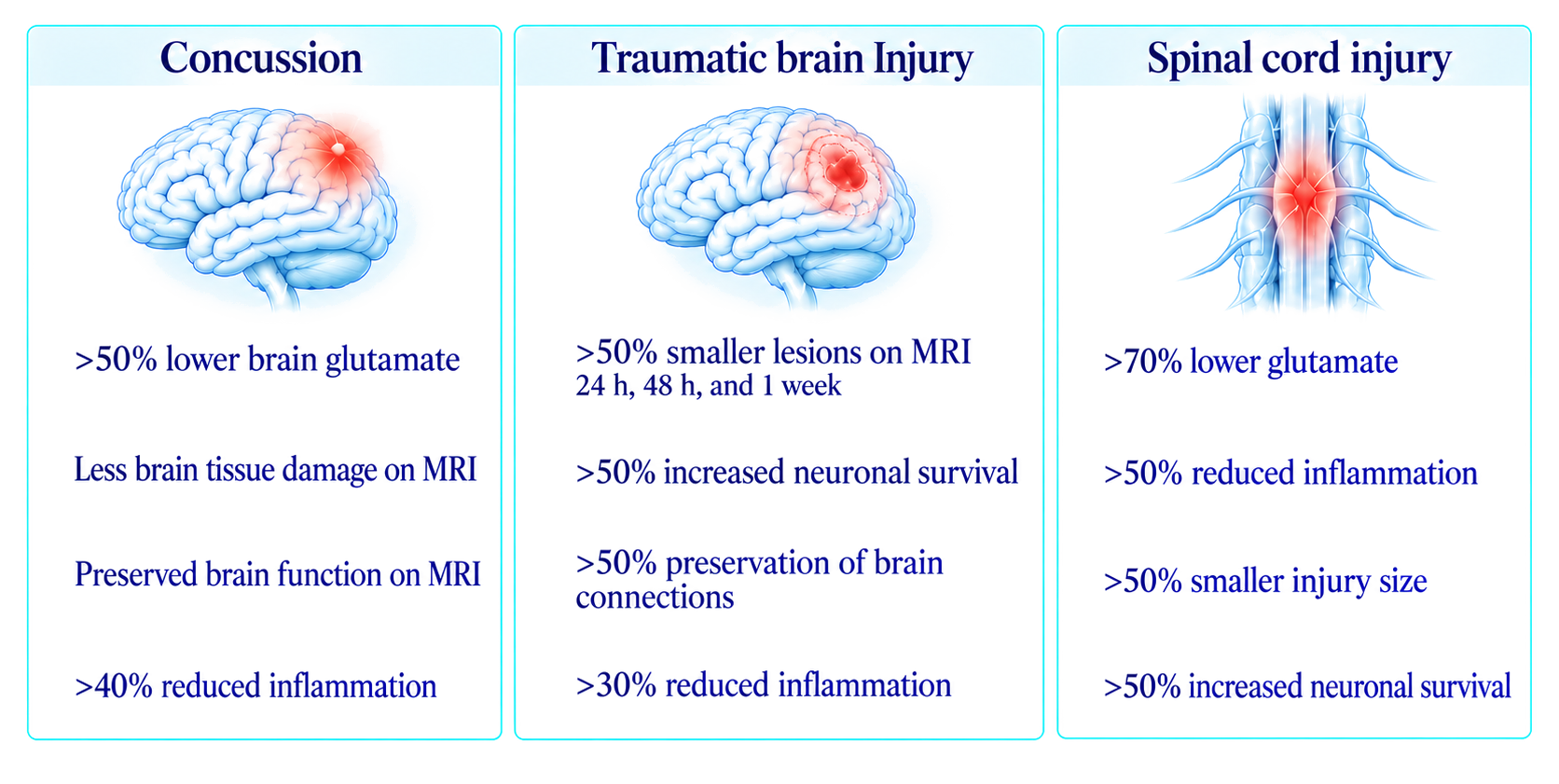
Strong therapeutic efficacy in traumatic brain injury, spinal cord injury and athlete’s concussion animal models

Neuroprotective effects and functional improvement were demonstrated in experimental treated mice and rats, with a therapeutic window of up to 8 hours.

Our results in animal models: concussion, traumatic brain injury and spinal cord injury outcomes

News

Haaretz article on NeuroHagana's treatment
Haaretz · June 2026

Israeli researchers develop treatment that may reduce spinal-injury paralysis

A therapeutic treatment that can reduce damage to nerve cells after spinal injury, and even improve mobility.

Read the article →
Praxis Spinal Cord Institute · August 2025

Video brochure — Spinal Cord Injury Focus Group

NeuroHagana featured in the Praxis Spinal Cord Institute focus group brochure, Toronto, Canada.

SCI Investor Symposium · June 2024

Dr. Angela Ruban — 2nd Annual SCI Investor Symposium

NeuroHagana’s CEO presents the company’s neuroprotective platform in San Diego, California.

Wings for Life feature on promising SCI projects
Wings for Life · 2023

7 promising projects in SCI treatment

A new treatment against toxic glutamate, from the Sagol School of Neuroscience, Tel Aviv University.

Read the feature →

About us

Team

Angela Ruban, Ph.D.

Angela Ruban, Ph.D.

CEO & Co-Founder

Independent neurobiology researcher at Tel Aviv University. 20 years of experience as a clinical pharmacologist with expertise in drug development; former CSO at Braintact Ltd. and scientific advisor at Yeda, the Weizmann Institute’s technology transfer office.
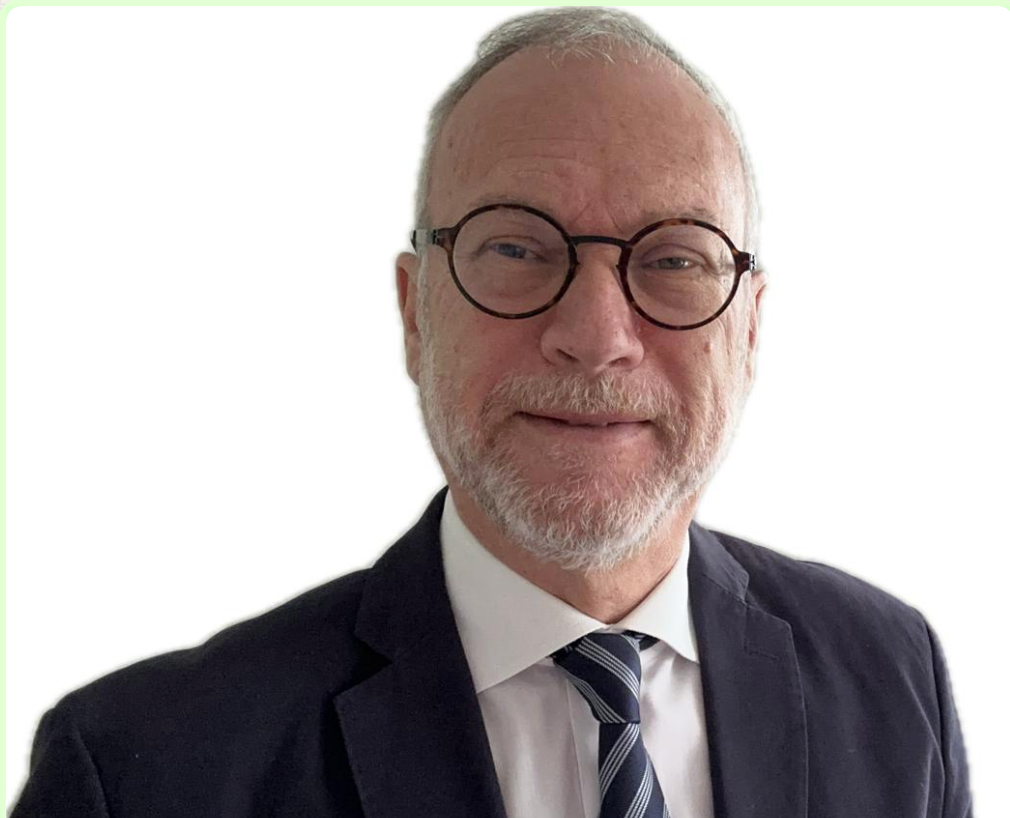
Dani Schaumann

Dani Schaumann

CFO & Co-Founder

Over 30 years of experience in international banking and finance, board directorship and corporate management across the United States, India, China and Israel.

Esmira Naftali, Ph.D.

Esmira Naftali, Ph.D.

CDO & CMC Expert

Drug development professional and biopharmaceuticals CMC expert with over 20 years of international pharma experience. Ph.D. in Chemistry from the University of Latvia, Riga.
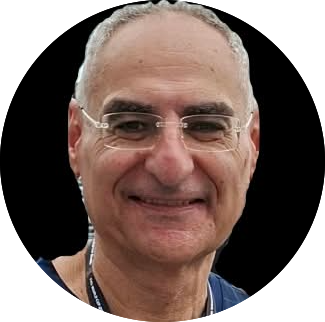
Amit Benbenishty, Ph.D.

Amit Benbenishty, Ph.D.

VP Research & Development

15+ years in neurobiology, pre-clinical research and drug development consultancy. Ph.D. in Neuroscience from Tel Aviv University; postdoc at the Weizmann Institute and King’s College London.

Rafi Elishav

Rafi Elishav

Chairman

30+ years of professional experience in the academic research world in the field of contracts, research proposals and funding applications to funding bodies, optimizing academic procedures for human experimentation and the ethical aspects of research.
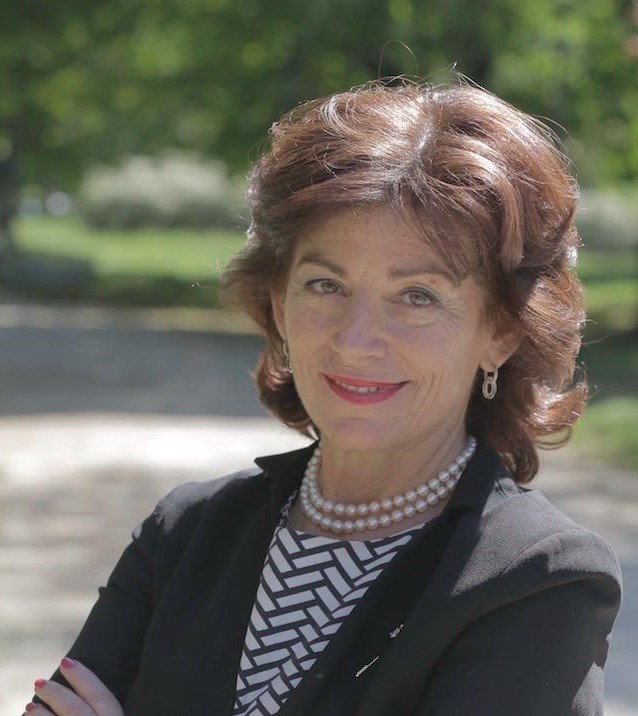
Joyce Bigio

Joyce Bigio

Independent Director

Independent director on the boards of several multinational companies such as FCA — Fiat Chrysler Automobiles and Prysmian. Currently serves on the boards of Luxembourg Real Estate Funds.
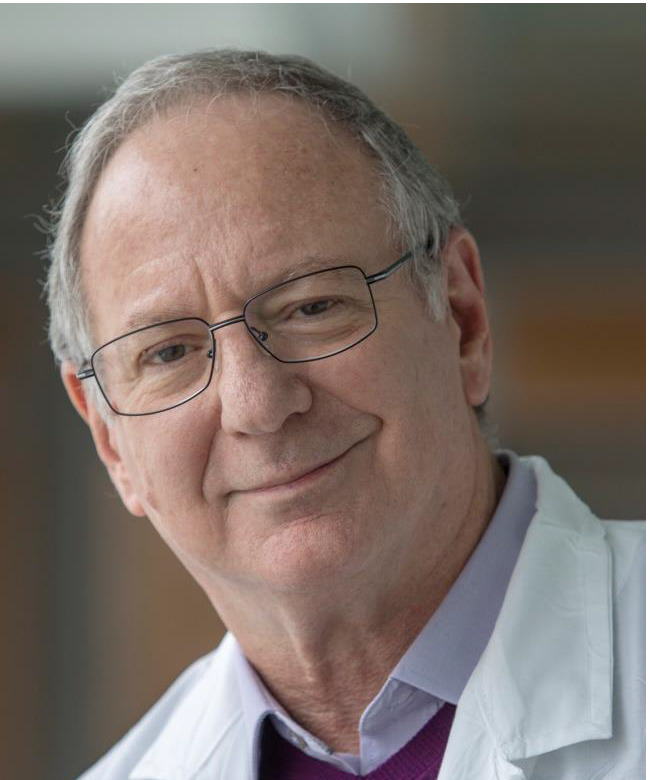
Advisory Board

Professor Amiram Catz

Prof. Amiram Catz

Spine & brain injury rehabilitation specialist

Full professor with over 40 years of experience as a rehabilitation specialist dealing with spine and brain injuries using modern, innovative procedures. Head of the spine rehabilitation unit and, in the past, head of the Loewenstein Rehabilitation Clinic.
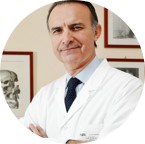
Professor Pietro Mortini

Prof. Pietro Mortini

Head of Neurosurgery & Radiosurgery, San Raffaele Hospital, Milan

Head of the Neurosurgery and Radiosurgery Unit at San Raffaele Hospital, Milan, and Clinical Professor of Neurological Surgery at The George Washington University, Washington, DC, USA.
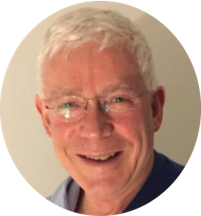
Professor Eithan Galun

Prof. Eithan Galun

Head of the Gene & Cell Therapy Institute, Hadassah Hebrew University Hospital

Full professor of Gene & Cell Therapy at the Hebrew University of Jerusalem and a senior active physician at the Hadassah Hebrew University Hospital Liver Unit. Head of the Gene and Cell Therapy Institute at the Hadassah Hebrew University Hospital.
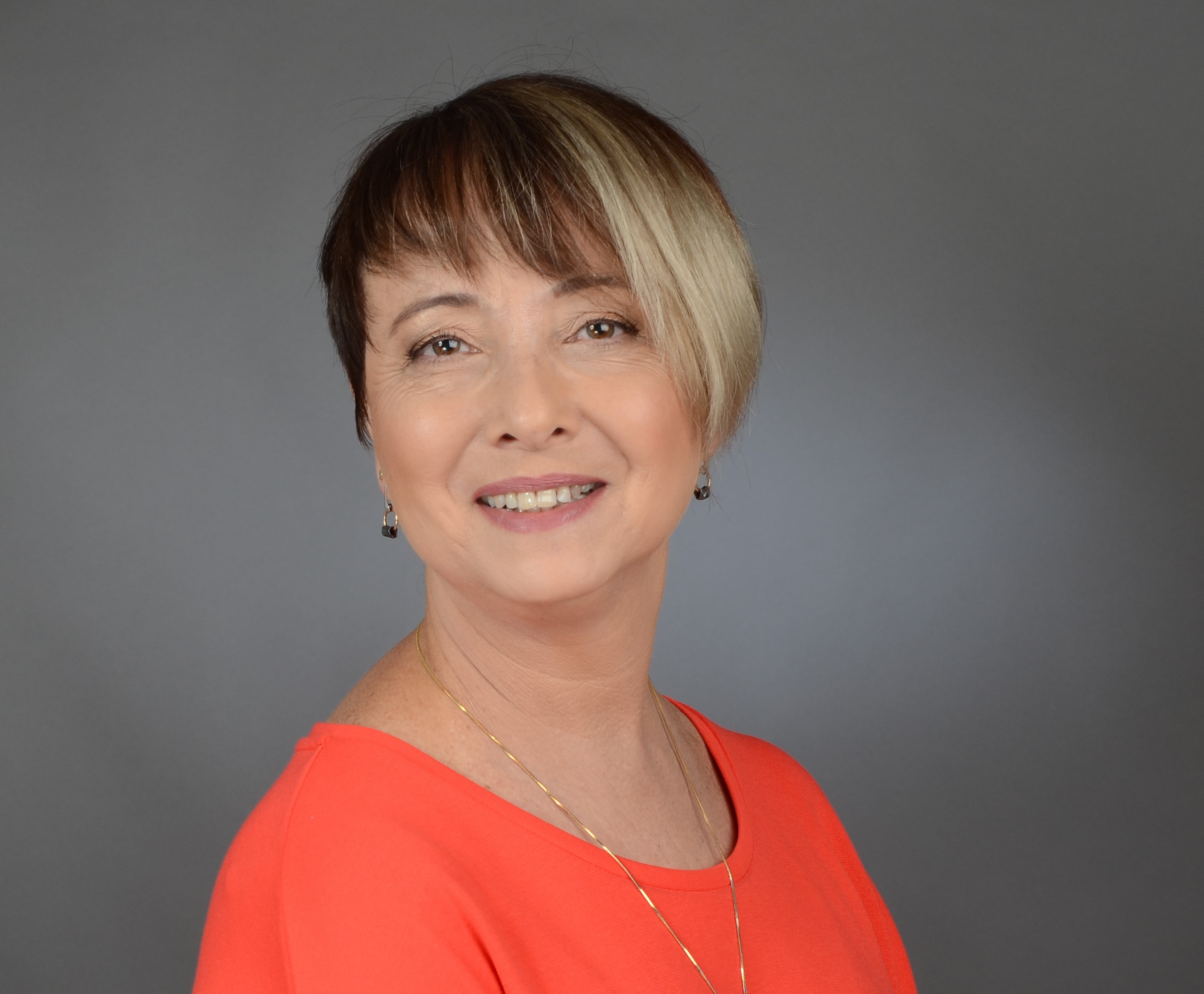
Leah Klapper

Leah Klapper

Pharma-biotech R&D leader, 20+ years

Has led research and development in pharma-biotech start-ups for more than 20 years, advancing academic programs from discovery to clinical proof of concept across immunology, oncology, CNS, biochemistry and cell & molecular biology — including pre-clinical development, CMC, process development, scale-up and manufacturing.
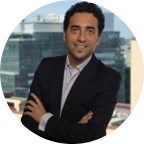
Salvatore Mascia, Ph.D.

Salvatore Mascia, Ph.D.

MIT · Founder & President, CONTINUUS Pharmaceuticals

MIT, Massachusetts. Founder & President at CONTINUUS Pharmaceuticals; former manager at Novartis and doctoral researcher at Merck Sharp & Dohme.
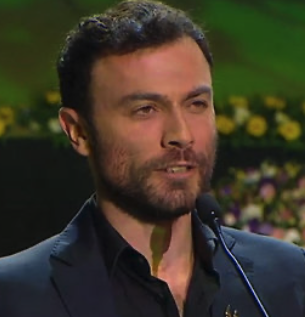
Noam Gershony

Noam Gershony

SCI Community Representative

A Paralympic gold medalist in wheelchair tennis and a former Apache helicopter pilot. His firsthand experience with neurotrauma recovery, ongoing volunteer work in neurotrauma hospital departments, and leadership of survivor expeditions worldwide provide unique insights valuable to pharmaceutical development.
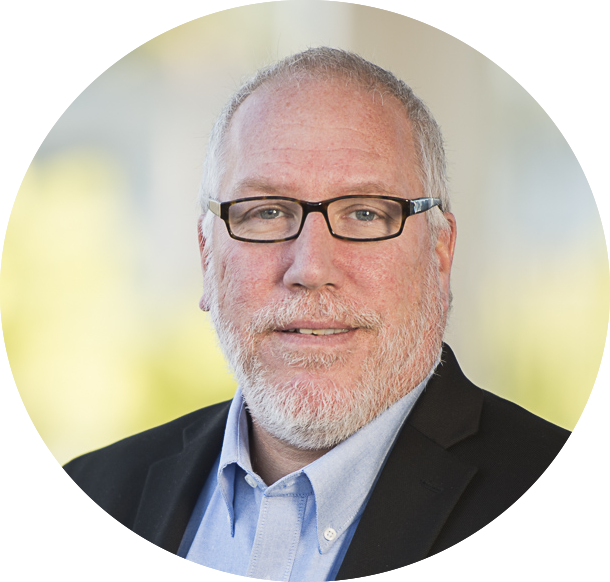
Contact us

For investment, clinical and partnership enquiries

Send us a message and we’ll get back to you.